



different types of power distribution systems
Understanding Sistema AGC A Comprehensive Overview In recent years, advanced control systems have become increasingly pivotal in various technological applications. One such system that has garnered attention is Sistema AGC, which stands for Automatic Generation Control. This mechanism plays a critical role in electrical power systems, ensuring that electricity supply meets demand while maintaining system stability. In this article, we will delve into the workings, significance, and future aspects of Sistema AGC. What is Sistema AGC? Sistema AGC is a sophisticated control strategy implemented in power systems to manage the generation of electricity. Its primary objective is to balance the supply of power with the demand in real-time. AGC systems respond to fluctuations in load by adjusting the output of power plants, ensuring that the system operates within its prescribed limits. These adjustments are crucial, as imbalances can lead to frequency deviations, which may compromise the reliability of the power grid. AGC works through a series of sensors, control algorithms, and actuators that communicate with various power generation units. When a change in demand occurs, the AGC system analyzes the data and quickly determines the necessary adjustments to the output of generators. This process not only helps maintain the desired frequency level but also enhances the overall efficiency of the power system. The Importance of Sistema AGC The importance of Sistema AGC can’t be overstated in today’s energy landscape. With the increasing integration of renewable energy sources such as wind and solar, the variability and unpredictability of these sources pose new challenges for power system operators. Sistema AGC facilitates the smooth integration of renewable energies by allowing for fast and flexible adjustments in generation. This adaptability is crucial for maintaining grid reliability and ensuring that power is available when needed. Moreover, Sistema AGC contributes to economic efficiency in power markets. By optimizing the generation resources, it helps minimize operational costs while maximizing the utilization of available energy sources. This efficiency not only benefits utility companies but also translates to lower electricity prices for consumers. sistema agc Challenges Faced by Sistema AGC Despite its advantages, Sistema AGC is not without challenges. One significant issue is the reliance on accurate forecasting of system demand and generation capabilities. Inaccurate forecasts can lead to inappropriate generation adjustments, resulting in either surplus or deficit of electricity, which can adversely affect the grid's reliability. Furthermore, as power systems evolve and diversify, the complexity of AGC implementations increases. The connection of numerous distributed energy resources and the requirement for advanced algorithms to manage these resources necessitate ongoing research and development. The rapid pace of technological change means that AGC systems must continually adapt and evolve to meet new challenges. The Future of Sistema AGC Looking forward, the future of Sistema AGC is promising. With advancements in artificial intelligence and machine learning, the complexity and efficiency of AGC systems are expected to improve significantly. These technologies can enhance predictive capabilities, allowing for better load forecasting and resource allocation. The growing emphasis on sustainability and the transition towards smart grids will also shape the future of AGC systems. As energy systems become more decentralized and incorporate more renewable energy sources, AGC will play a crucial role in coordinating the operations of various distributed generation units, ensuring that the grid remains stable and efficient. In conclusion, Sistema AGC is a vital component of modern power systems, playing a crucial role in the management of electricity generation and ensuring grid stability. While it faces challenges in accuracy and complexity, advancements in technology and an increasing focus on sustainability promise a bright future for AGC systems. As we continue to innovate and adapt to new energy paradigms, Sistema AGC will undoubtedly remain at the forefront of power system management, helping to shape the future of energy.

We have successfully executed over 500
projects around the world,
many first-of-their-kind
research projects and products in China, including
We have successfully executed over 500
projects around the world,
many first-of-their-kind
research projects and products in China, including
-
2004
The 1st hydraulic AGC system for hot rolling of ribbon steel
-
2006
The 1st AFC system used for 1450mm skin pass mill
-
2009
The 1st 5-stand tandem line with 2-stand POR & Uncoiler for 650mm ribbon steel
-
2012
The 1st reversing mill for 1380mm strip
-
2016
The 1st soft-rolling system used in skin pass mill
-
2019
The 1st fully automated medium-width tandem cold rolling mill
-
2021
The 1st 5000KN Twin-stand double skin pass mill
-
2022
The 1st coupled pickling line & tandem cold mill with two modes - big roller & small roller
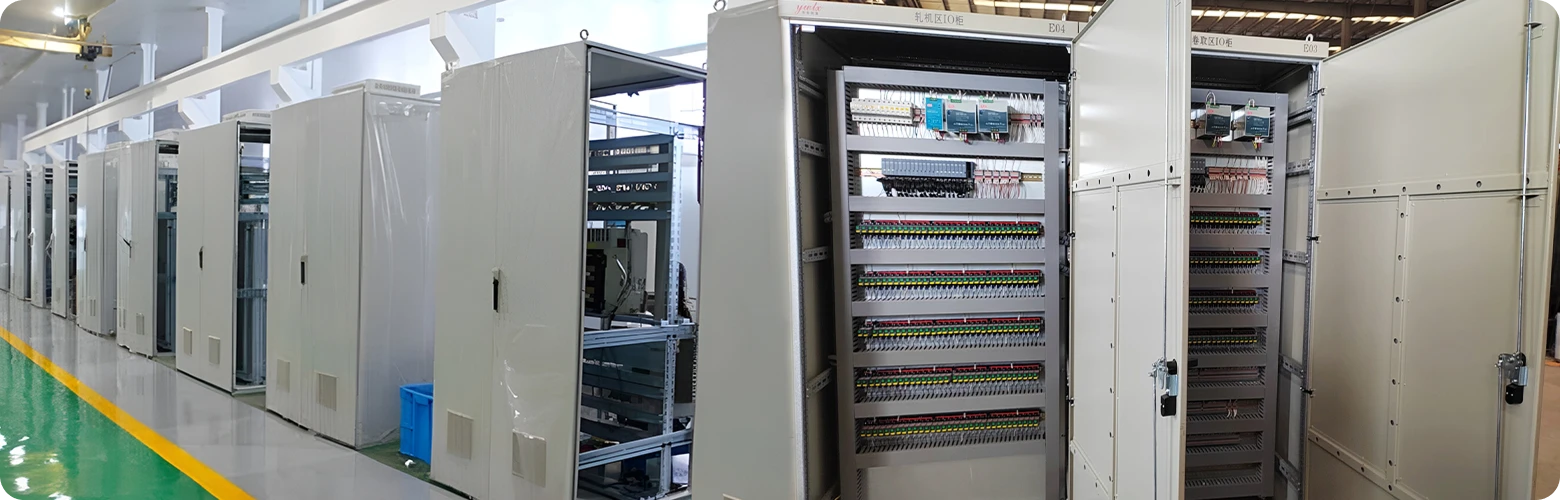
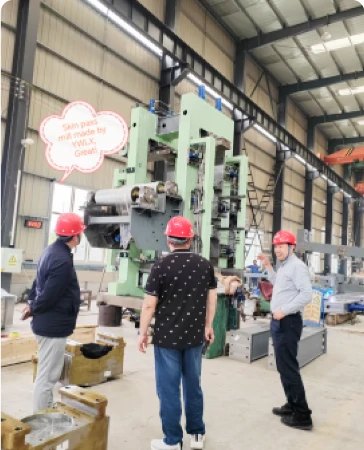
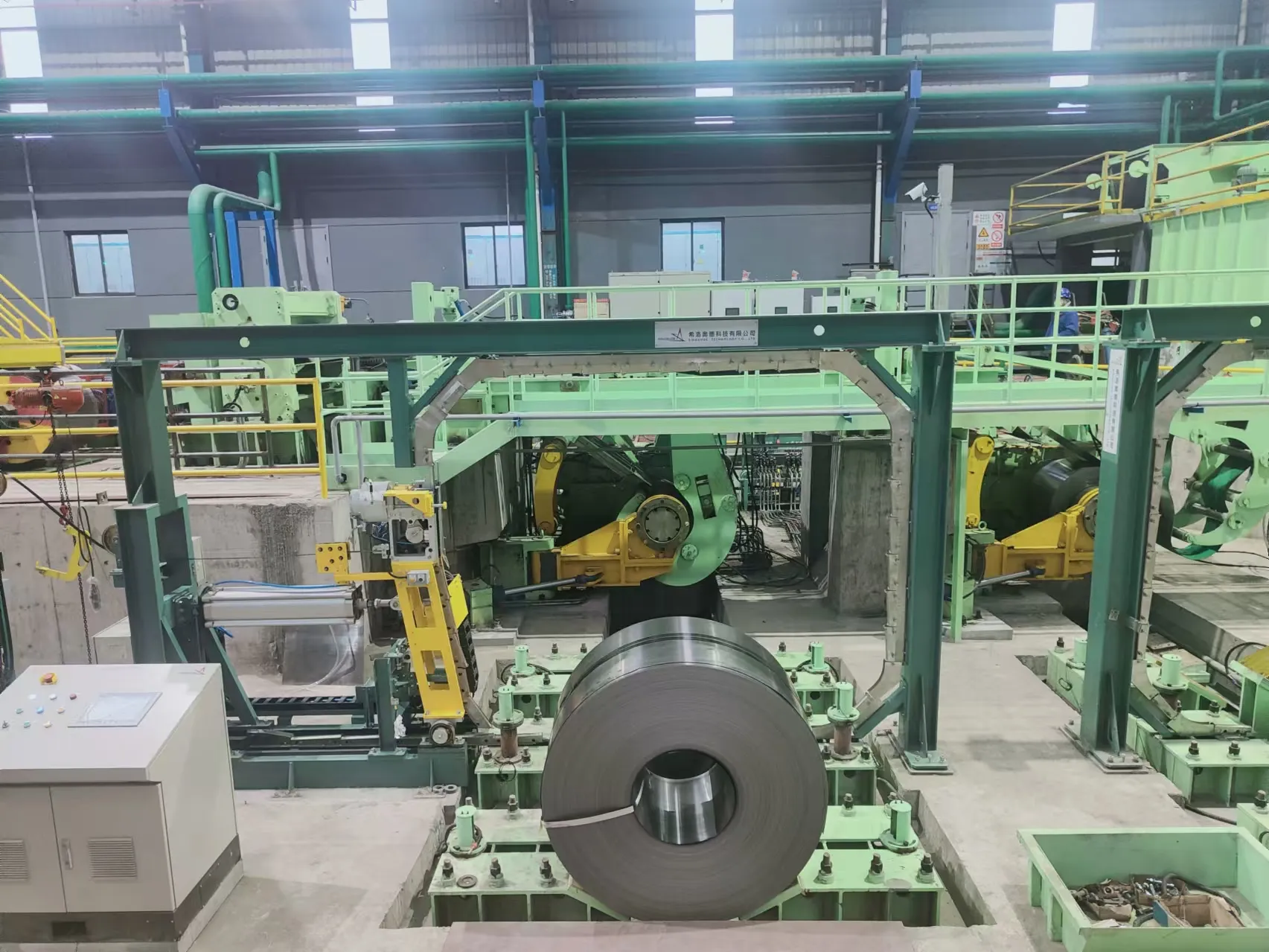
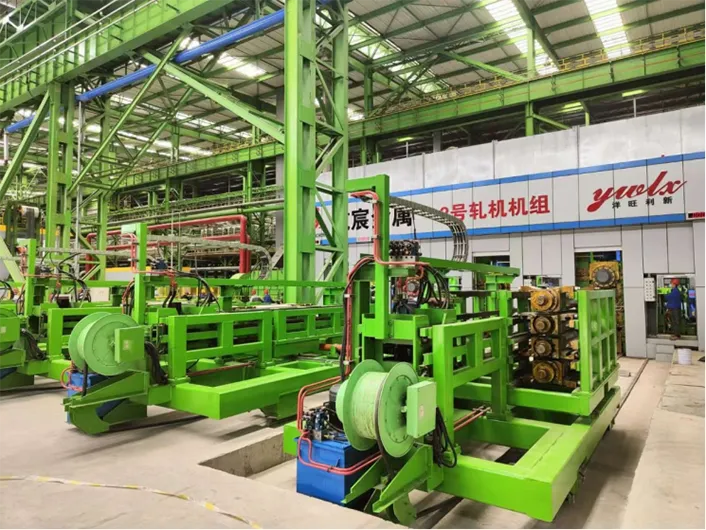
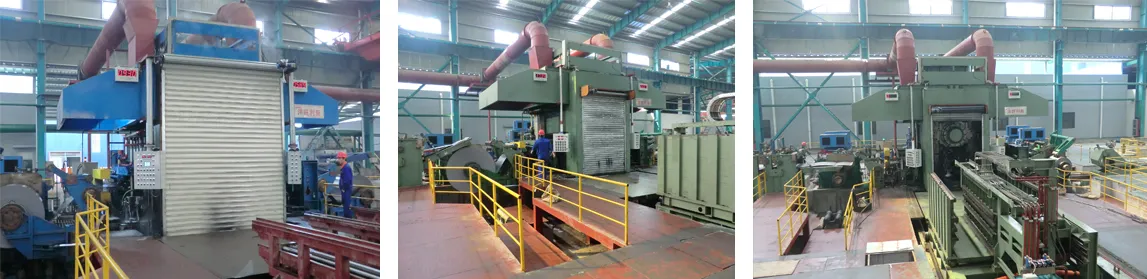
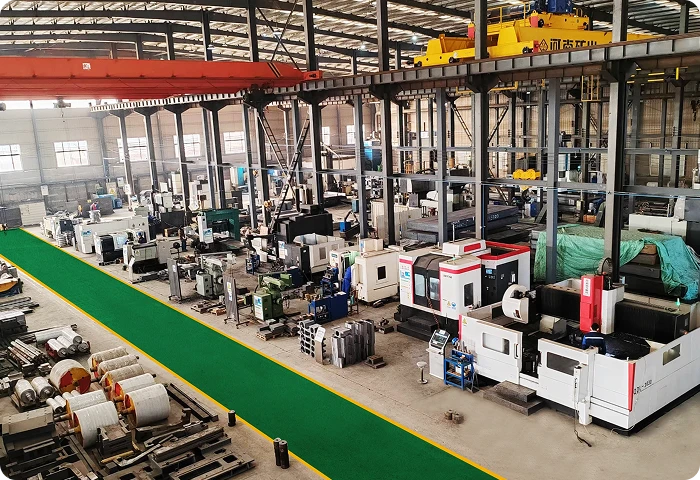
Yang Wang Li Xin operates a state-of-the-art facility over 66,000 square meters,and our manufacturing facility is fully equipped with high-tech machinery and high-capacity cranes. This enables us to handle large work pieces measuring 4.5m in width, 10m in length, and 1.5m in height, guaranteeing our capacity to produce 1800mm skin-pass mills and 1450mm rolling mills. The individual piece can weigh up to 100 tons.

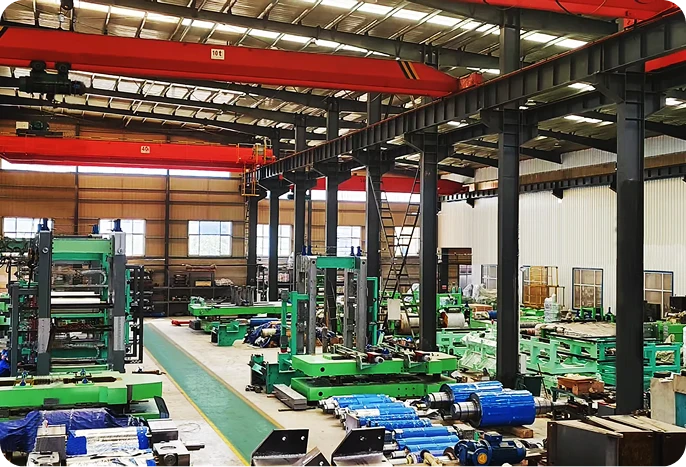

Quality is fundamental to the enterprise survival. We have established a comprehensive and meticulous quality management system and have successfully obtained ISO14000 certification. Starting from the design source, it supervises the entire production cycle, including design, procurement, processing, assembly, in-factory testing, installation, and online commissioning. The workshop is equipped with measuring tools like vernier calipers, spectrometers, hardness testers, and ultrasonic flaw detectors. They are used to check materials and control tolerances to ensure the final equipment meets or exceeds requirements. All products have a unique code, This enables the easy identification and traceability of the equipment components and ensures full control of quality.


-
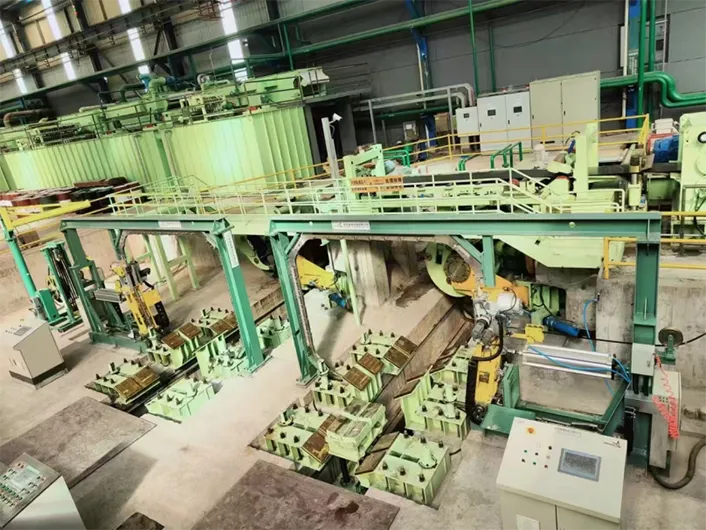 housingless rolling millHousingless rolling mills represent a groundbreaking innovation in the metallurgy industry , revolutionizing how businesses approach and manage the rolling process. This state-of-the-art technology is gaining traction for its efficiency, adaptability, and cost-effectiveness, positioning it as a cornerstone in modern steel production. Experience plays a crucial role in the successful implementation
 -
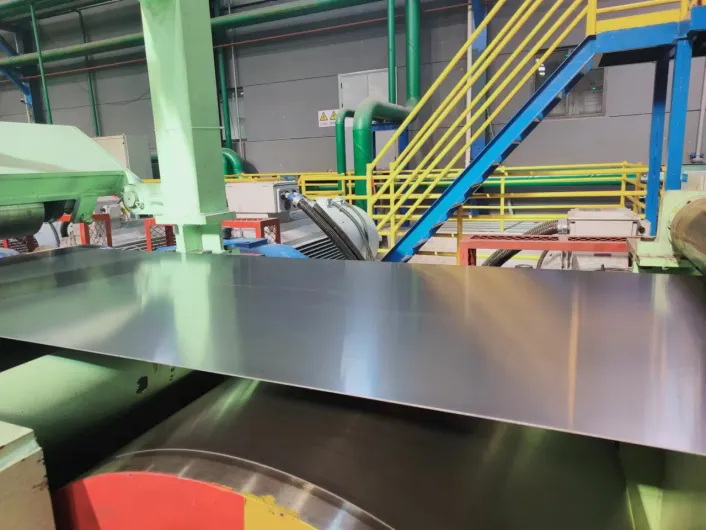 AGC System Whispers: Silent Thickness CorrectionsIn the high-stakes world of metal rolling, where precision is measured in microns and consistency is the currency of quality, there exists a silent, unseen dialogue. It is a conversation between massive steel rolls, powerful hydraulics, and sophisticated electronics—a series of instantaneous whispers that ensure every meter of strip produced meets an exacting standard. This dialogue is orchestrate
 -
 laminazione titanioExploring the Universe of Titanium Lamination Advantages, Processes, and Applications Titanium lamination has consistently emerged as an innovative solution improving the functionality and durability across various industries. Encompassing an array of applications, titanium lamination involves adhering titanium layers onto surfaces or combining it with other metals to create specialized composites


